air filters for hvac system

What are HVAC filters? HVAC air filters (Heating, Ventilating, and Air Conditioning) are broad terms to describe difference types of air filters in HVAC field. HVAC terms include heat pump, air conditioner units, furnace unit, geothermal, window units.etc. HVAC filter is the same as air conditioner filters or furnace filters. Some people use these terms interchangeable. What the purpose of HVAC air filters? The purpose of HVAC air filters may vary from individual need and want. HVAC air filters original purpose was to keep the indoor system parts from clogged with dusty and other foreign material. Indoor AC units, there is evaporator. It is one of the four (compressor, condensers, expansion device) major air conditioner parts. If there was no air conditioner filter or HVAC air filter have not been replaced. This will happen to air conditioner units. The air conditioner units will lose cooling efficiency, pollute indoor air, and indoor AC units blower consumer more energy. If there no HVAC air filters the blower blade will also fill with dirt and eventually the air conditioning duct system will be damage.

The most painful experience a homeowner will feel is to replace central air conditioner units. Yeah, it will short the life of the air conditioner unit if there is no HVAC air filter or the HVAC air filter has not been replaced. A homeowner could save a painful wallet experience, by simply replacing air conditioner unit filters. You could say, “The purpose HVAC filters are to help saves money!” If you're not similar how to replace air conditioner filters read How to change air conditioner filters? How does a dirty HVAC filter cause air conditioner system to lost efficiency? The air conditioner evaporator are a device that absorbs heat from indoor; the blower is a device that pulls or pushes the hot air through the evaporator coils.If the evaporator coils are dirty, the air conditioner system lost efficiency. The evaporator coils are not effective at absorbing heat; because of the dust on evaporator coils prevent it from absorber the correct amount of heat from indoor AC units.
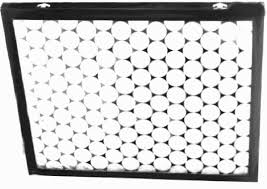
Air conditioner units will also lose efficient if the AC systems have dirty air filter. It is the same as dirt active as an insulator to the evaporator coils, but this time the dirty HVAC filter active as restriction to the blower. The air handler blower main purpose was to pull the hot air through the HVAC air filters and push that hot air to the cold evaporator that is what it does.
solar ac units chinaHowever, it cannot pull enough hot air through the air filter, since the air filter is dirty and the dirty air filter acts as a restriction to the blower.
used 3 ton outside ac unitThe air conditioner system does it jobs, but there is not enough airflow to move the cold air from the evaporator.
heat pump vs ac coolingEventually, the evaporator coils start building ice, and then the air conditioning system will not cool.
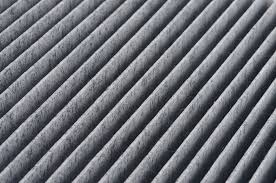
Dirty HVAC air filters have the same result as high efficiency air conditioner filters for the wrong air conditioner units. For example, a homeowner read article on air conditioner filter and he find that really high efficient air conditioner filter can collect contaminant airborne particle than low efficiency air filters and that is true. What he did not realize that his air conditioner unit cannot endure high efficient air filter. His AC units are not designed for that specific HVAC air filter. As a result, the high efficiency air conditioner filter act as a restriction to his air conditioning system, similar to dirty or no AC air filters. Although, the original purpose of HVAC filters is to protect indoor air conditioners not to caught micron small particle. Nowadays, there are many purposes of HVAC filters. There is HVAC air filter for the maximum dust removal. For example, HEPA (High Efficiency Particulate Arrestance) filter is use, mainly for surgical rooms, food processing, pharmaceutical that needs clear air.
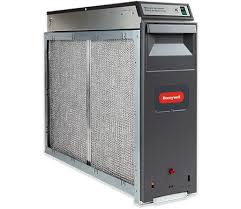
HEPA filter can also be use as a pre-filter for higher efficiency AC filters. Some HVAC air filter removed bacteria, airborne particle, pollen, contaminate builder material.etc. Other air conditioning filters did much more to ensure healthy indoor air. Indoor environment will pollute and it will cause air conditioner system failure, health problem if the HVAC air filters have not been replacing on a regular base. Return to Central-Air-Conditioner-and-Refrigeration from HVAC FiltersWhile many homeowners may know they should change their air filters regularly, some may not know what kind to get. If you’re a first-time homebuyer and have never had to worry about your filter before, how do you know what will suit your needs and your budget? There are different options available and it’s important to pick the right one for your home and family. So, where do you start? First, determine the size. Home air filters, or HVAC air filters, come in different sizes, both in area and thickness.
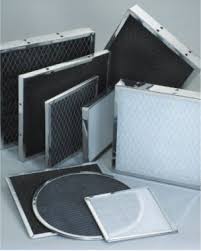
According to the International Association of Certified Home Inspectors, filters work best when they have a tight fit. If there are gaps around the filter’s frame once installed, the filter may be the wrong size for your system. When it comes to thickness, filters can be anywhere from less than 1 inch to more than 4 inches. But, according to the National Air Filtration Association (NAFA), most homes have only a 1-inch space for a filter, so it’s important to check your system’s requirements and purchase get the size that fits. , there are different types of home air filters offering varying performance levels and maintenance requirements. In general, filters are most effective when new and clean, but some last longer than others. says the main kinds of residential filters available are: Tips to Consider Before Adding a Fire PitGet A Quick, Personalized Insurance Quote Today.Type of InsuranceAutoHomeRentersLifeCondoMotorcycleBoatATV/Rec. VehicleBusiness InsuranceRetrieve a saved quoteEdit

If someone in your family has allergies, the American College of Allergy, Asthma and Immunology (ACAAI) says air filters that collect more particles might be better for improving air quality and may make breathing easier. Even if allergies aren’t a problem, no matter which kind you choose, ACAAI suggests changing or cleaning your filter at least every two to three months. Air filters are usually given a Minimum Efficiency Reporting Value (MERV), according to the Environmental Protection Agency. This rating helps you determine how well the filter traps particles, and home filters generally have a rating of 1 to 13. This number signifies how efficient the filter is, where a higher MERV rating means it can collect more particles. The American Society of Heating, Refrigerating and Air-Conditioning Engineers (ASHRAE) suggests purchasing a filter with a MERV rating of 6 or greater for your home. While you may think you want your air filters to be the most efficient kind, NAFA notes it is important to keep in mind that the greater the efficiency rating, the lower the airflow.