how to fix my ac compressor
I’ve spent many moons diagnosing nagging air conditioning issues with a 1992 Chevy Silverado K1500 . Research indicates that many other owners have similar issues. In my case, a conversion from R12 had already been performed. Heating worked, control panel worked, but the AC compressor was not engaging. First step: The compressor clutch running? I learned that by bypassing the pressure switch on the AC canister I was able to get the clutch running. Low pressure and/or a leak seems like a reasonable guess. Trip to mechanic, who performs leak tests and tops off system. He notes that the conversion from R12 has already been performed. AC works for him, he calls it a day. I pickup the truck and notice that the system isnt very cold, and the ‘AC’ light on the control unit is flashing. There are known issues with false readings from the pressure switch. Manufacturer recommends disconnecting the pressure switch from the heater control harness. For the K1500, the wire is green #1 (SEE: LOW CHARGE INDICATOR FLASHES DISCONNECT CHARGE DETECTION # 93-1B-129).

BEWARE There are two procedures; one for ‘topkick’ models and one for regular trucks! I perform the procedure and at this point issue seems resolved. I close up the dash and call it quits. Start vehicle the next day, AC is pumping strong, possibly too strong. I smell burning plastic, and the AC control head goes ‘disco lights’ on me. Fsck! Unplug the control unit and assume that its probably fried, judging from the amount of magic smoke escaping from the dash :/ Control unit is dead/questionable, purchase a replacement Order new unit, NOT CHEAP. The package really did arrive the next day! New unit exhibits similar issues. AC clutch is now switching on and off every few seconds. Decide to leave unit in dash but avoid AC functionality. All is well for a while. Driving down the road one day i smell a familar burning :/ Pull over to a parking lot and remove unit from dash in 5m flat. (I’m becoming an expert in this procedure!) We’re now approaching winter and i have no heat :\

Purchase vehicle subscription from ALLDATA. Scour through multiple service alerts relating to this issue. A bulletin i’d never noticed states that there can be shorts a) where the harness chafes against the ashtray b) behind the cassette deck. Next workday i pull out the cassette deck, detach the heater control wiring harness from a grey-white 6 pin mini harness which was located about 6 inches back from the AC control head connector. This was a serious pain and scratched my hands and wrists raw. I pull the harness back through to the cassette deck area, peel back several feet of sticky electrical tape to find… 2 adjacent wires with missing insulation! One is attached by exactly 1 corroded strand of copper. Previous electrical tape repairs are present in the same area. The bracket for the cassette deck has sharp edges and is scraping 1mm of insulation from the harness. Taped up one slightly damaged wire, cut, joined and soldered the terribly burned wire back together.
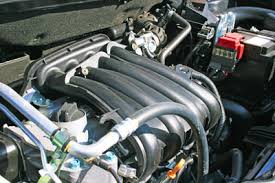
Applied electrical tape to cassette bracket edges and sealed up the entire harness with many layers of tape. I located yet another short in the wiring harness where it passes below the air filter and above the engine block on the passenger side. Seems that one of the wires had its insulation worn off .
portable ac unit for autoRepaired with more tape.
portable ac unit not cold Next i replaced the control unit for the second time, with a brand new part.
ratings on hvac systems It was sending crazy signals to the AC system; opening doors, turning fans on and off. I can only assume that it was permanently damaged by prior shorts. Upon removal i notice that the unit smells badly like burned plastic. Lucky control unit #3 is installed in its place.

The system now works, although the compressor is still being turned on and off in AC mode, albeit in a much quieter manner. Next i intend to disconnect the battery to clear the fault. I will also measure the system pressure to determine that i don’t have too much gas. The low pressure switch has been effectively disabled, and clutch wouldnt cycle at all with the switch connected, so perhaps there is too much pressure. GM bulletin(s) # 93-1B-129, #92-1-118 1991 Chevrolet Chevy K Pickup - 4WD LOW CHARGE INDICATOR FLASHES DISCONNECT CHARGE DETECTION #92-1-118 - (May 13, 1992) SUBJECT: A/C LOW CHARGE INDICATOR FLASHES (DISCONNECT LOW CHARGE DETECTION FEATURE) VEHICLES AFFECTED: 1991-1992 C/K TRUCKS WITH AIR CONDITIONING Some owners of 1991-1992 C/K vehicles may comment that the A/C letters in the middle of the control head face are flashing. The HVAC control system used on 1991 and 1992 C/K vehicles incorporates a low A/C charge warning system. If a low charge is detected, the control head will not allow the compressor to engage and the A/C letters in the middle of the control head face that usually signify A/C operation will blink.

The HVAC control head determines a low charge by monitoring the circuit from the pressure cycling switch. If the cycling switch will not allow the compressor to run more than 1.5 seconds, ten times in a row, the control head assumes a low charge and disables the compressor until reset. On some vehicles, it has been found that the wire from the pressure cycling switch to the control head is sensitive to EMI (electro magnetic interference) and gives false compressor cycling information to the HVAC control head which then disables the compressor. If you encounter a vehicle with the control head A/C indicator flashing the low charge signal but can find no reason for the flash using normal diagnostic procedures, including checking the wiring harness for chafing, remove the pressure cycling switch feedback wire from the control head connector. This process disables the A/C Low Charge detection feature, however, the customer will still be alerted to a low charge by excessive compressor cycling and poor A/C performance.